We are Saddle fitters not Saddle salesmen dont be afraid to get your saddle checked
For Saddles - Mobile Contact - 07377995764

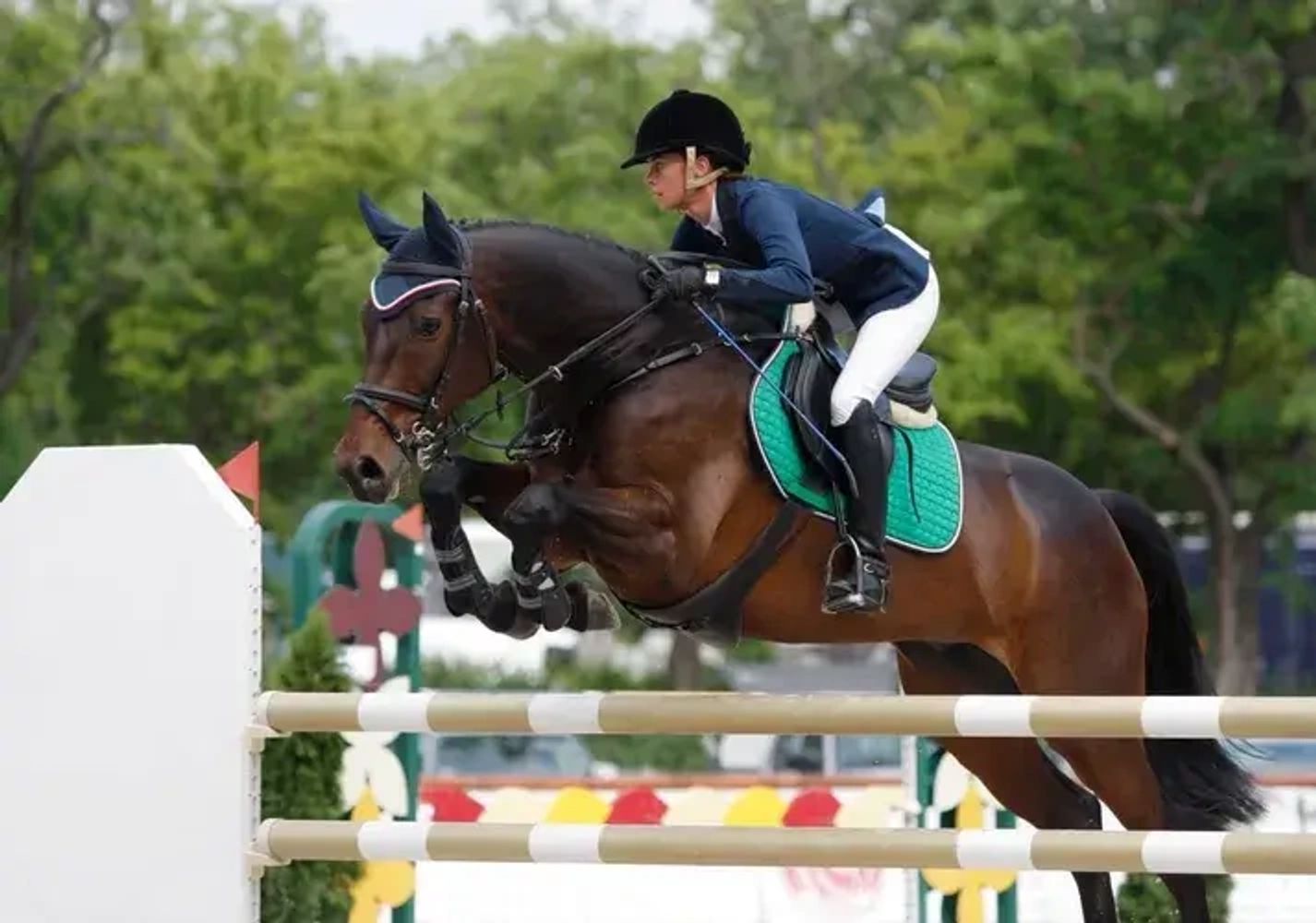
We are Saddle fitters not Saddle salesmen dont be afraid to get your saddle checked
For Saddles - Mobile Contact - 07377995764


.jpg/:/cr=t:0%25,l:0%25,w:100%25,h:100%25/rs=h:100,cg:true)


This website is owned and operated by Equine Saddle Services Ltd
Trading as Ian Taft | Saddle Fitter
Saddle Fitters &
Horse and Pony Bitting Consultants
Haynall Lane, Little Hereford, Ludlow, SY8 4BG, United Kingdom


Equine Saddle Services Ltd offers all equestrians saddle fitting and saddle check and adjustment services including minor reflocking, full reflocking and repair services. The theme running through all saddle fitting solutions is correct fit and function for maximising comfort, improving shoulder movement, and to allow for the highest level of expression during ridden work.

We provide bitting consultancy services for all riders needing advice on their horse or ponies bitting choices. Bitting horses has become a more complex task as more an more bitting options have become available. Horses conformations have changed and we now have better bio-mechanical data that has been used to improve bit design especially for situations where training or competition related issues are occuring. Better Comfort brings better control.

If you are looking for secondhand saddles we are approved saddlefitters for the Saddle Bank either purchased by you direct from them for us to fit, or supplied and fitted by us on their behalf.
On the saddlebank website go to saddle fitting and then find your local saddlefitter and fill in your details and submit your enquiry. We will then be asked to contact you for the areas we cover detailed above.
Experience as a rider is very useful to understanding and intepretation of other riders issues with bitting problems. That said understanding the science behind equine bit design, involves the horses breed type and how that affects the horses unique features. Especially with regard to equine anatomy, and physiology which are required to complete the picture so that all factors affecting bit performance can be considered as well as bridle design and noseband use.
The Neue Schule Academy brings these different aspects of bit fitting together to ensure the Academy training and knowledge associated with bit consultancy is second to none. Our staff are Academy trained Consultants.

Ian Taft is a Society of Master Saddlers SMSRegQSF Approved by Leading Saddle Brands Amerigo, Equipe, GFS, Fairfax, Kent & Masters, John Whitaker, Premier Equine, Pessoa saddles, including the Carl Hester designed Pessoa PDS Jaguar and Brioso saddles as their authorised Saddle fitter.

Saddle fitting, and the business of saddle fitting, can be problematic. Horses do not come in one standard size or shape, and, more importantly, they are not static. Their physical shape can change regularly depending on management, access to food, seasonal changes, workload and ridden exercise.
Changes in
Saddle fitting, and the business of saddle fitting, can be problematic. Horses do not come in one standard size or shape, and, more importantly, they are not static. Their physical shape can change regularly depending on management, access to food, seasonal changes, workload and ridden exercise.
Changes in body condition do not simply mean that a horse becomes heavier or lighter. Changes in metabolism, muscle development and fat coverage can alter the proportions and shape of the horse's back and topline. A horse that has developed more muscle through appropriate ridden work may present a very different fitting challenge from the same horse at an earlier stage of its training.
The saddle presents an entirely different proposition. It is a manufactured structure, built around a particular saddle tree. The tree establishes much of the fundamental geometry of the saddle, while the panels and their flocking provide the interface between the saddle and the horse.
The relationship between the tree, the panels and the horse's back determines how the saddle sits on the horse's profile. This, in turn, affects how the saddle behaves when it is being used and how forces are distributed through the horse and saddle.
This is where the difficulty of saddle fitting begins.
The saddle fitter is attempting to match a relatively fixed manufactured structure to a living animal whose shape can change, sometimes considerably, over time. It is therefore not simply a question of finding a saddle that appears to be the correct width or size.
The saddle needs to be considered in three dimensions and in relation to the horse's individual conformation. It must provide appropriate clearance and bearing surfaces, sit in a suitable position and remain sufficiently stable when the horse moves. At the same time, it must accommodate the rider's size, balance, position and discipline.
A saddle that appears acceptable when the horse is standing still may behave very differently once the horse is moving and the rider is mounted. The dynamic relationship between horse, saddle and rider is therefore just as important as the static assessment.
This also explains why saddle fitting should not be regarded as a one-time exercise. The horse can change shape as its condition, musculature, workload and management change. A saddle that was appropriate at one point in the horse's development may subsequently require adjustment, may become unsuitable, or may need to be replaced altogether.
There is consequently no simple formula in which a particular horse requires a particular saddle size.
Good saddle fitting is about assessing the relationship between horse, saddle and rider, understanding the limitations of the saddle's construction, and recognising that the horse itself is continually changing.
That is one of the fundamental challenges of saddle fitting — and one of the reasons why professional saddle fitting requires considerably more than simply measuring a horse and selecting a saddle from a size chart.
A thorough saddle fitting begins with a physical assessment of your horse while standing square on a level surface. We look for asymmetry, muscle loss, unusual muscle development and other factors that could affect saddle fit. We also assess your horse's gait and movement in hand.
Because saddl
A thorough saddle fitting begins with a physical assessment of your horse while standing square on a level surface. We look for asymmetry, muscle loss, unusual muscle development and other factors that could affect saddle fit. We also assess your horse's gait and movement in hand.
Because saddles are used in motion, they cannot be fitted accurately while the horse is standing still alone. An assessment under saddle is essential. During ridden work, the horse's back lifts and changes shape, altering how the saddle sits and where it makes contact.
The rider is equally important. We consider the rider's height, leg length and position, along with any physical difficulties that could affect their comfort, balance or the saddle's performance.
A poorly fitted saddle can cause discomfort and may contribute to unwanted behaviours such as bucking, refusing to go forward or moving away during mounting. Riders may also experience back or joint pain when a saddle does not fit them correctly. Ultimately, poor fit can prevent both horse and rider from performing comfortably and confidently.
Effective saddle fitting requires an experienced professional, careful observation and the rider's cooperation. By assessing the horse, rider and saddle together - both standing and in motion - we can work towards the best possible fit for everyone.
Understanding the complexity of saddle fitting is important when considering the role of the professional saddle fitter.
Ian Taft is Society of Master Saddlers qualified in saddle fitting, flocking and flocking adjustment. A member of the Equine Fitters Council and listed on their Equine Fitter register. In ad
Understanding the complexity of saddle fitting is important when considering the role of the professional saddle fitter.
Ian Taft is Society of Master Saddlers qualified in saddle fitting, flocking and flocking adjustment. A member of the Equine Fitters Council and listed on their Equine Fitter register. In addition a Neue Schule Academy trained Bridle and bit fitter assessed under the Lantra Qualification framework. His experience extends across a wide range of horses, riders and equestrian disciplines, with particular emphasis on fitting competition horses where saddle fit can have a direct influence on comfort, movement and performance.
Ian is approved by leading saddle brands including and extensive range of manufacturers Albion, Amerigo, Equipe, Fairfax, Kent and Masters, Thorowgood, Pessoa, GFS, The Saddle Company and PDS as an authorised saddle brand fitter and supplier.
Equipe saddles are designed by Swiss saddle designer Peter Menet, whose approach to saddle design places particular emphasis on the relationship between saddle construction, horse conformation and rider position.
The focus of the saddle fitting service is not restricted to one particular discipline. While competition horses and performance are an important area of specialisation, saddle fitting applies equally to horses and ponies involved in dressage, show jumping, eventing, hacking, hunting, endurance, showing and other equestrian activities.
The objective is always to establish whether the saddle is appropriate for the individual horse, the rider and the intended use, and whether it continues to perform as it should as the horse's shape and workload change.
A saddle should not be regarded as something that is fitted once and then considered permanently suitable.
As horses change shape throughout the year, regular professional assessment is important. A saddle check approximately every six months is a sensible general recommendation, allowing for the changes that can occur between winter and summer conditions. At an absolute minimum, saddles should be professionally assessed annually.
However, the frequency of saddle checks should also reflect the individual horse and the demands being placed upon it.
Competition horses working at a higher level can be subjected to considerably greater physical demands than a horse undertaking lighter recreational work. Changes in muscle development, condition, workload and training can occur relatively quickly. For this reason, some riders competing at higher levels choose to have their saddles assessed more frequently.
For the performance horse, the objective is not simply to establish that the saddle is technically within an acceptable range of fit. Riders increasingly recognise the importance of maintaining the best possible relationship between horse, saddle and rider in order to support comfort, freedom of movement, consistency of performance and rider position.
Regular saddle assessment can therefore form an important part of the wider management of the ridden horse, helping to identify changes in fit before they become a more significant problem.